
Lots to debate on this, though from a possibly nostalgic point of view. Removing a “human factor” from a deeply cultural sporting event like baseball could fundamentally alter the essence of the game. The human element is woven into the very fabric of baseball, from the players on the field to the fans in the stands. It’s not just about the score; it’s about the stories, the rivalries, and the emotional rollercoaster that comes with every pitch and every play.
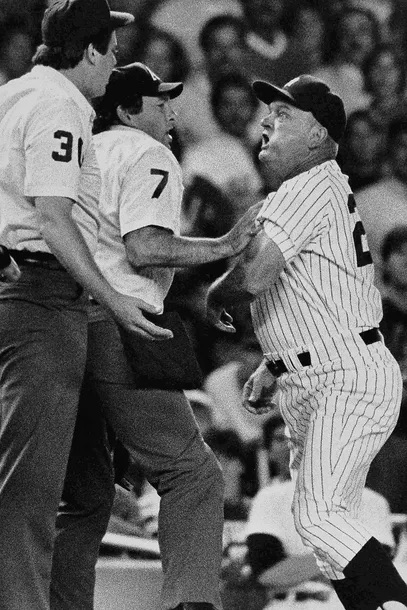
When we consider the role of umpires, we must acknowledge that their calls—whether right or wrong—add a layer of drama and excitement that is irreplaceable. If plate calls become more of an inarguable sure thing through technology, we risk removing a major level of emotion for the batter, the pitcher, the catcher, the umpire, and most importantly, the fans. The thrill of a close call, the tension in the air as everyone holds their breath, and the eruption of cheers or boos in response to a decision are all part of what makes baseball an emotional experience.
Sport is about the human factor. This is why I don’t like the idea of equipment making the call. I would much prefer even better video that can be reviewed, while still keeping humans in the decision-making loop. The human element is what connects us to the game. It’s the reason we gather in stadiums, wearing our favorite jerseys and holding our breath during a nail-biting ninth inning.
Consider this: baseball has a rich history of legendary moments that were shaped by human decisions. Think of the infamous “no-hitter” by Armando Galarraga in 2010, where an incorrect call by umpire Jim Joyce denied him a perfect game. The outrage and discussion that followed were not just about the call itself; they were about the humanity of the game. Fans rallied, debated, and connected over their shared love for baseball, proving that even a “bad call” can foster community and conversation.
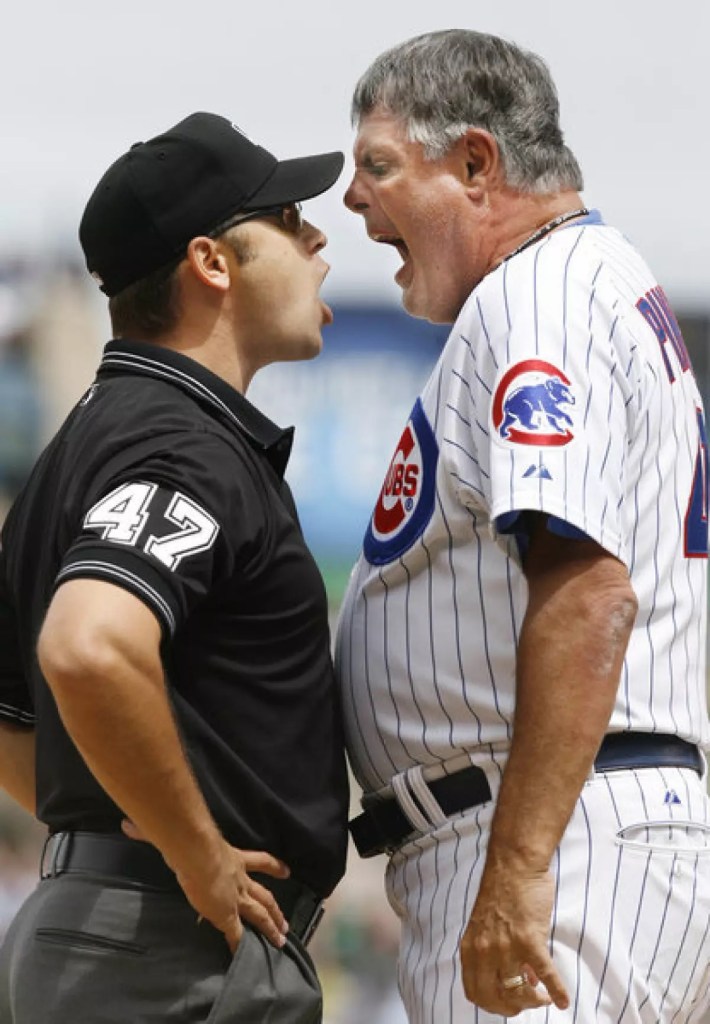
Even more, research has shown that human interaction is a basic human need. According to a study published in the journal “Psychological Science,” social connections can significantly impact our happiness and well-being. In the context of baseball, the shared experience of a game—whether it’s celebrating a home run or lamenting a missed call—creates bonds among fans. The emotional highs and lows of the game are often what keep us coming back for more.
For the fans who advocate for eliminating human error, they may feel they are achieving a victory. But for me, the guy in his seats at Wrigley, I cherish the moments when a bad call ignites passionate discussions and interactions among fellow fans. The game experience, to me, IS the human factor playing out in front of us. It’s the laughter, the debates, the camaraderie, and even the disagreements that make baseball more than just a sport; it makes it a shared cultural phenomenon that we can all connect to on a deeper level.
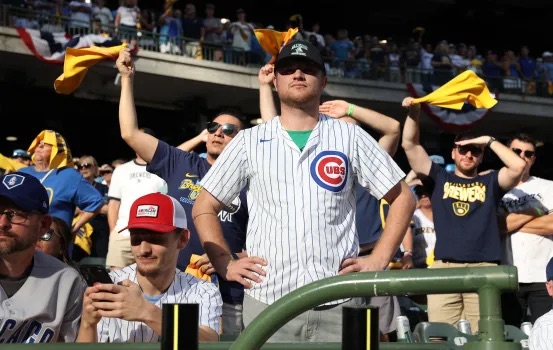
So, while technology has its place in enhancing the game, let’s not forget the importance of the human touch. Let’s embrace the imperfections and the emotions that come with them, for they are what truly make baseball America’s pastime.
My two cents…
 Every Four Years™